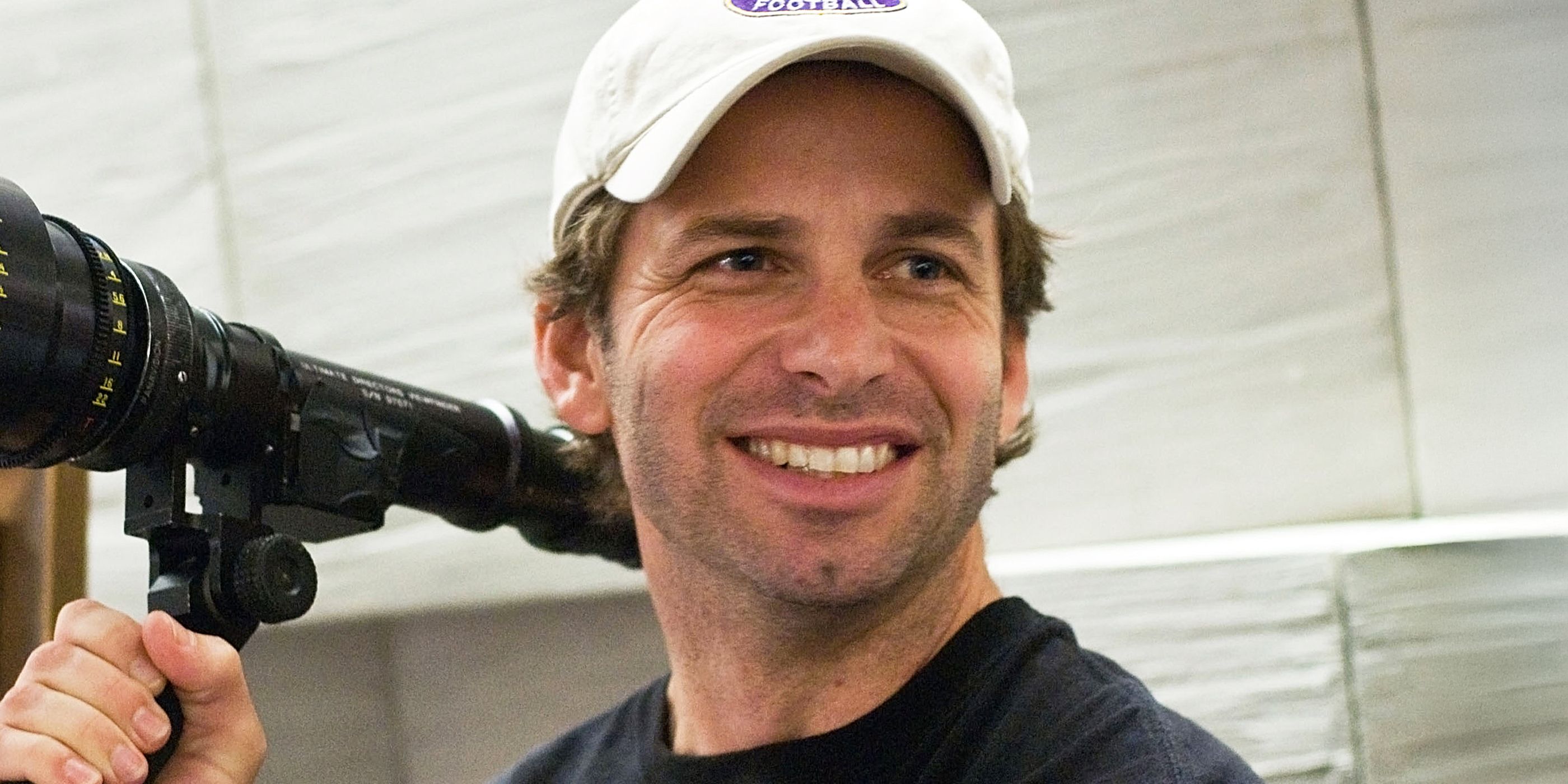
Director Zack Snyder, known for his distinctive visual style in films like Man of Steel and Rebel Moon, has once again voiced his intent to adapt Ayn Rand's influential novel, The Fountainhead. This comes just as his newest feature, The Last Photograph, made its debut at the Toronto International Film Festival (TIFF) to a less-than-stellar critical reception, currently holding a dismal 21% on Rotten Tomatoes, as reported by Collider.
Snyder's passion for The Fountainhead is a long-term goal, with the director revealing in a recent Variety interview that he has already penned a script for the project. He views the novel, which centers on iconoclastic architect Howard Roark and his battle against collectivism, as far more than a political statement. "What people don’t realize is that The Fountainhead in the 1950s was like Harry Potter now in terms of popularity. It was off the charts," Snyder explained. He further described the source material as an "insane melodrama," suggesting his adaptation would lean into its dramatic core rather than overtly political themes. "That’ll probably be my magnum opus. I’ll probably die on that one," he added, underscoring the personal significance of the project.
While The Fountainhead remains a deep-seated aspiration, it won't be Snyder's immediate next endeavor. His upcoming film is slated to be a remake of John Carpenter's cult classic, Escape From New York. However, the director clearly envisions a future where Rand's novel takes cinematic form under his guidance.
This wouldn't be the first time The Fountainhead has been adapted for the screen. Legendary director King Vidor previously tackled the novel in 1949, starring Gary Cooper as Howard Roark. Despite Rand herself penning the screenplay, the film was a critical and commercial disappointment, ultimately disowned by the author. In the decades since, other notable filmmakers, including Michael Cimino (The Deer Hunter) and Oliver Stone (Platoon), have expressed interest in a remake, though none of those projects ever materialized. Snyder's renewed commitment keeps the possibility alive for a new generation to experience Rand's enduring, and often divisive, story through a contemporary lens.