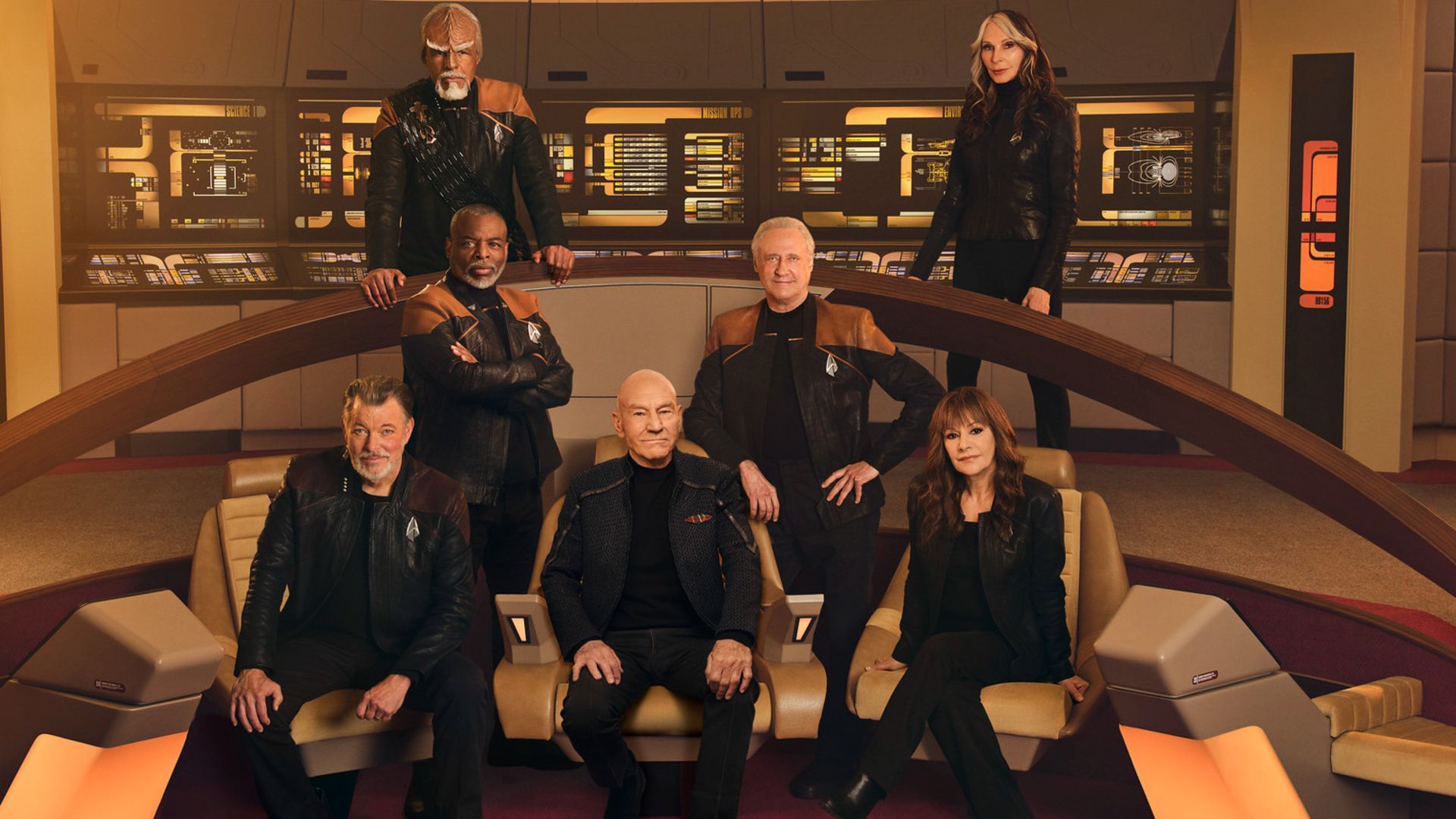
Matalas, who is currently preparing for the premiere of Marvel Studios' Vision Quest, garnered significant praise for his work on Picard season 3, which successfully reunited the original TNG cast while introducing new characters. This blend of nostalgia and fresh narrative, he argues, is precisely what the broader Star Trek universe needs to replicate.
TheThe challenge for any future Star Trek executive producer, according to Matalas, lies in "bring[ing] in new viewers, but [not] alienate[ing] the old viewers." He suggests this isn't an insurmountable hurdle, stating, "I think good stories, and good characters, and great science fiction, that’s going to always win the day. And I think that’s what Star Trek: The Next Generation was." This approach, he notes, is analogous to the transition from The Original Series to Next Gen itself, which faced initial resistance but ultimately triumphed through strong writing and performances.
Matalas's tenure on Picard season 3 demonstrated this philosophy in action. By weaving a compelling narrative that respected TNG's legacy while setting up potential new ventures like the fan-desired Star Trek: Legacy spinoff, he struck a chord with both longtime fans and a new generation.
The discussion also touched upon the practicalities of modern television production. With Alex Kurtzman's leadership of the Star Trek franchise on Paramount+ reportedly concluding, the next architect will inherit a complex landscape. Matalas expressed a desire for a return to longer season orders and more efficient production schedules, reminiscent of TNG's era. While acknowledging the current streaming model often dictates shorter, more expensive-to-produce seasons, he pondered the possibility of shooting episodes in seven to ten days—a significant shift from the typical two weeks per episode for shorter 10-episode runs. "I think amortizing costs – which is what Star Trek was doing by making more at one time, is the way to do it," he explained.
This perspective aligns with a common sentiment among fans who yearn for the more intricate, serialized storytelling that characterized TNG, contrasting it with the "movie every week" style some perceive in contemporary Star Trek shows. While Matalas enjoys the ambition of shows like Strange New Worlds, he advocates for a production model that allows for a greater volume of sophisticated narratives.
When asked about potentially stepping into a broader leadership role for the franchise, Matalas expressed unequivocal enthusiasm. "Yes, of course, of course!… for Star Trek? That’s a dream come true. I grew up wanting to do that, so of course I would," he affirmed. With the franchise facing a potential hiatus in new production, Matalas's insights offer a clear direction for what many hope will be Star Trek's next golden age.