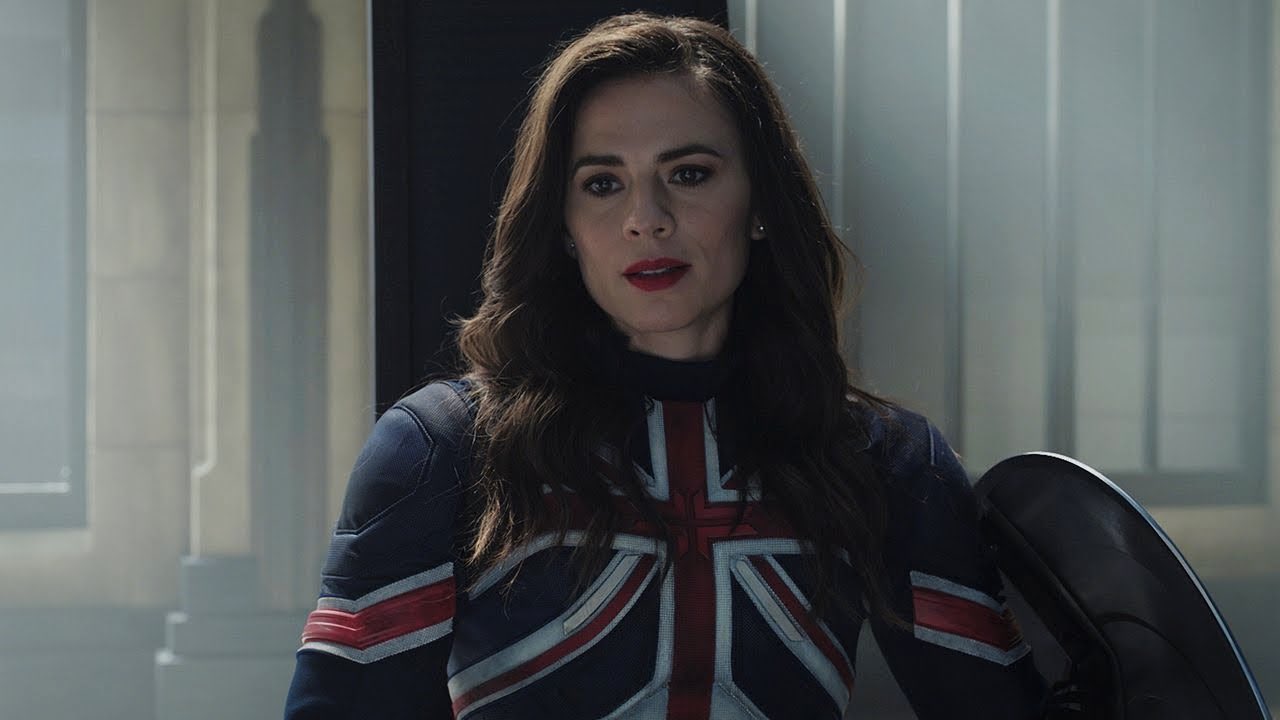
Atwell, who has embodied Peggy Carter since Captain America: The First Avenger and most recently in Doctor Strange in the Multiverse of Madness and the extended cut of Avengers: Endgame, was asked about her character's future in the MCU, particularly in light of Avengers: Doomsday. The film is poised to be a massive event, aiming to bridge the gap between established fan-favorite characters and a newer generation of heroes.
Peggy Carter's journey, which saw her receive a poignant 'happy ending' with Steve Rogers in Avengers: Endgame, has been a sensitive topic for fans, especially with the introduction of alternate realities and the character's appearance in Endgame Extended, a re-release meant to set up Doomsday. Atwell acknowledged the delicate nature of discussing her character's arc, stating, "It's a sensitive discussion because I don't know much about it. I don't know what to say or what I'm allowed to reveal."
However, she quickly shifted to the broader creative process behind Doomsday, painting a picture of a production where the story is continuously evolving. "We tried different things, we shot different things, there were different story arcs, some were launched, some developed, some abandoned," Atwell revealed, highlighting a highly experimental and adaptive filmmaking method. This suggests that the final script for Doomsday might not have been entirely locked down before or even during filming, with various narrative paths being explored.
This isn't an entirely new revelation for Marvel Studios. Directors Joe and Anthony Russo, who helmed Avengers: Endgame, have previously spoken about their flexible approach to scripting. In an interview with Associated Press, they once described the script as a "living organism," explaining, "We're directors of improvisation, of rehearsal. We like to see what the actors bring to their characters, and sometimes, you can only have the actors a few days or weeks before filming them. Most of the time, that's where the magic happens." This philosophy appears to be deeply ingrained in Marvel's production, especially for its most ambitious projects.
Marvel has faced significant production challenges in recent years, including the COVID-19 pandemic and industry strikes, which forced them to re-evaluate and often improvise their chronological storytelling. This long-standing improvisational method could be seen as a way to navigate the complexities of an interconnected cinematic universe while allowing for creative flexibility on set.
As Avengers: Doomsday approaches its December 16 release in France, the pressure is on for the film to deliver a compelling narrative that satisfies both long-time fans and newcomers. Atwell's comments provide a fascinating glimpse into the dynamic, and sometimes unpredictable, creative journey behind one of the year's most anticipated blockbusters.