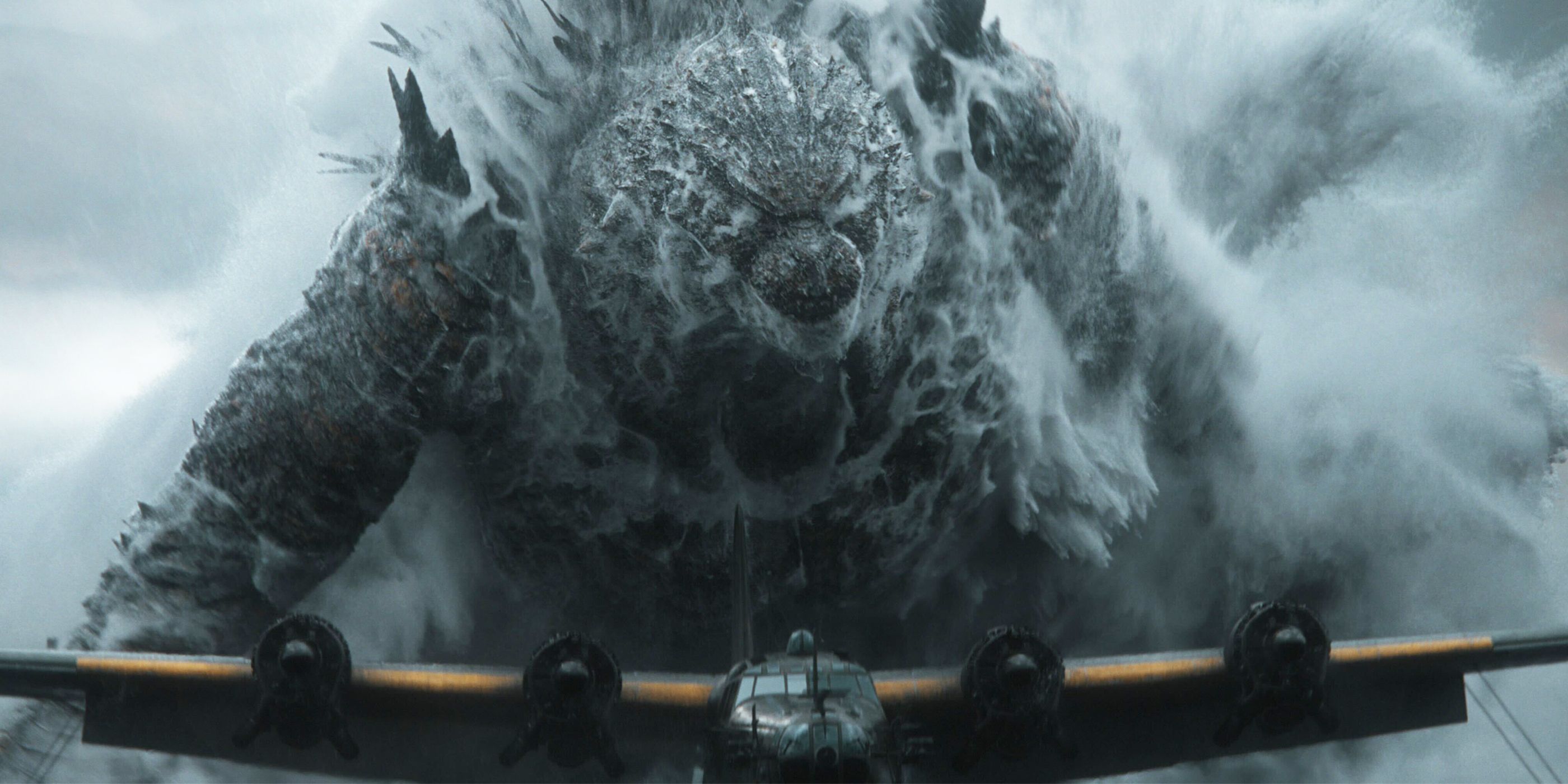
After Godzilla Minus One secured an Oscar for Best Visual Effects, director Takashi Yamazaki became a highly sought-after talent in Hollywood. However, as revealed in an interview with Collider, Yamazaki chose to prioritize his vision for the next chapter in the Godzilla saga, Godzilla Minus Zero. He expressed a clear desire to explore a specific story and theme for this "second movie," which ultimately led him to decline enticing offers from American studios. His decision underscores a deep personal connection to the kaiju and the narrative he wished to tell.
With Godzilla Minus Zero poised for its North American debut on November 6, the conversation naturally shifts to the franchise's future. Yamazaki indicated that a third Godzilla film is a distinct possibility, stating, "I would say it’s about fifty-fifty at this point." While he would be "a little sad" if Minus Zero marked his final foray into the Godzilla world, he is already planning his next project, an English-language mecha film titled Grandgear, produced by J.J. Abrams. This suggests that while a third Godzilla movie isn't immediate, the door remains wide open for a return.
Godzilla Minus Zero picks up two years after Minus One, in 1949, plunging the Shikishima family into a new conflict, this time against the formidable King Ghidorah. Yamazaki emphasized the ongoing challenge of keeping human characters at the heart of stories involving colossal monsters. He discussed using flashbacks to broaden the scope beyond Minus One's immediate events, imagining other perspectives and experiences during the initial attacks. This approach offers a rich vein for future storytelling, moving beyond simply introducing an even larger monster, and instead delving deeper into the human cost and aftermath of kaiju devastation.
The fate of the Shikishima family remains a central concern for Yamazaki. Having survived two catastrophic encounters, the question of whether they can truly find peace, or how they learn to live with their experiences, presents a compelling narrative hook. Furthermore, Minus Zero introduces a geopolitical dimension through Professor Murakami. His refusal to weaponize the resonance wave device capable of summoning Godzilla, and his subsequent kidnapping by American forces, sets up a tense dynamic. This subplot raises questions about the misuse of power and and the potential for international conflict spurred by kaiju threats, offering a complex backdrop for any subsequent films.