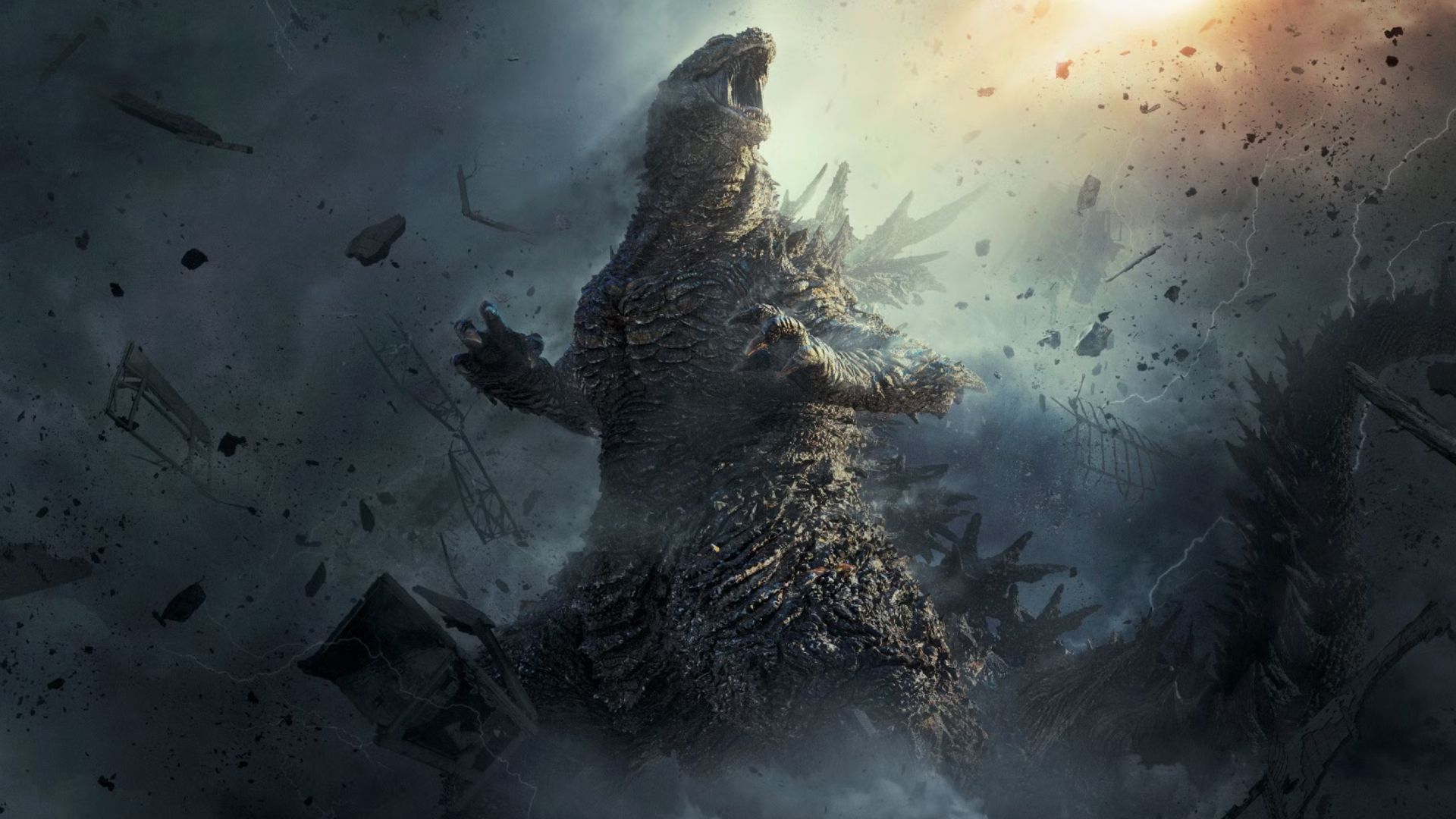
Takashi Yamazaki, the acclaimed director and writer behind the highly praised "Godzilla Minus One," returns to helm "Godzilla Minus Zero." While its predecessor garnered critical acclaim and a PG-13 rating for its grounded, post-World War II horror narrative, the new film's R-rating suggests an even deeper dive into mature themes and visceral sequences.
The Motion Picture Association (MPA) ratings system, established in 1968, means that many of Godzilla's earliest appearances pre-date formal classifications. Subsequent films have typically ranged from G to PG-13, with the recent American Monsterverse films like "Godzilla" (2014) and "Godzilla x Kong: The New Empire" also falling into the PG-13 category. This makes "Godzilla Minus Zero's" R-rating a stark departure and a clear statement of intent.
Set in 1949, two years after the events of "Godzilla Minus One," the sequel continues to explore the devastating impact of the titular monster on a rebuilding post-war Japan and the struggles of the Shikishima family. The R-rating strongly implies that Yamazaki is pushing the boundaries of horror and intensity, likely featuring more graphic violence or mature thematic content than any Godzilla film before it. This aligns with the director's vision to present Godzilla not merely as a spectacle, but as a terrifying, destructive force that embodies the trauma and fear of a nation.
This record-setting classification further differentiates Yamazaki's films from the broader franchise, particularly the spectacle-heavy Monsterverse. By embracing a more grounded and horrific approach, "Godzilla Minus Zero" is poised to deliver a unique and uncompromising portrayal of the King of the Monsters. Film enthusiasts in Japan can anticipate its release on November 3, followed by its debut in U.S. theaters on November 6.