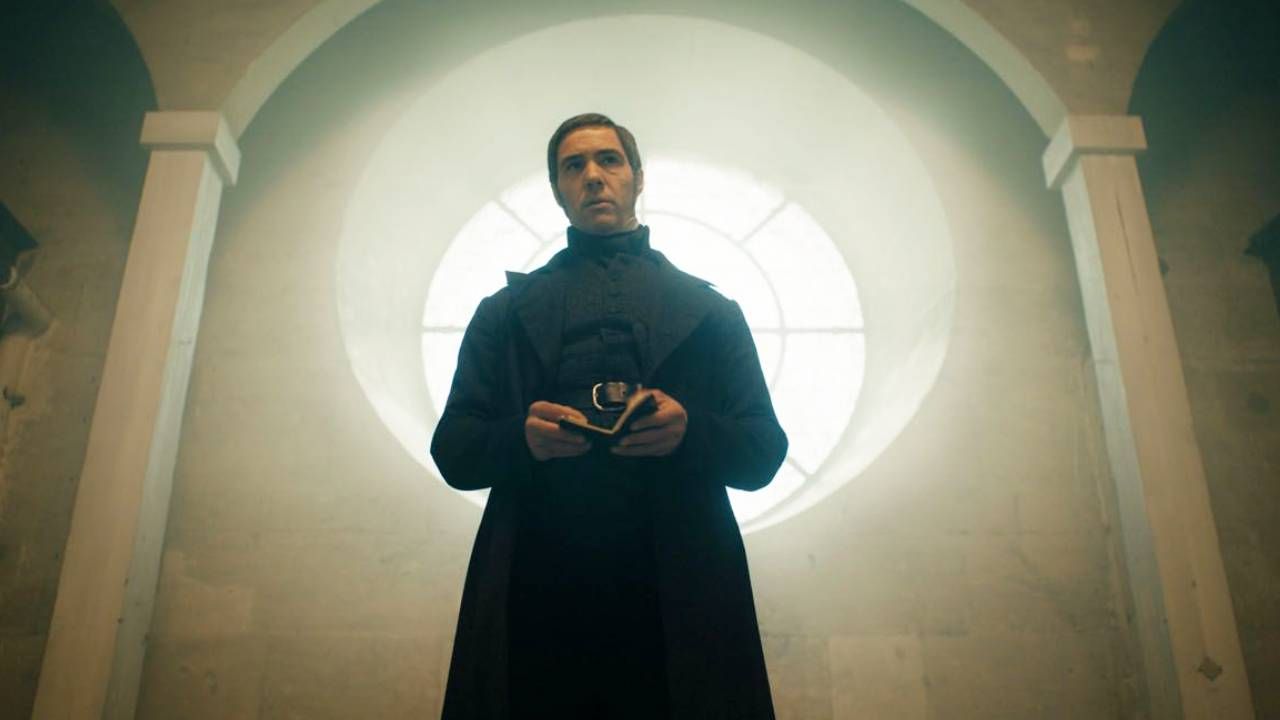
According to interviews with AlloCiné, Cavayé has infused the narrative with a pulsating rhythm and thriller elements, a departure from more traditional interpretations. He revealed during a Club AlloCiné projection that his intention was to return to the action genre, a style he explored early in his career. "The rhythm you speak of is in the novel," Cavayé explained, noting, "There are almost Jason Bourne-like sequences, a chase through Paris with Valjean and Javert."
Cavayé emphasized the inherent cinematic potential within Hugo's sprawling work. "There's everything in Les Misérables!" he asserted. "It's a true adventure novel too... all the ingredients to make a great cinema film." This vision transforms the poignant tale of redemption and justice into a grand spectacle designed for the big screen, a philosophy shared by the creators of the recent "Musketeers" and "Monte-Cristo" films.
Star Vincent Lindon, who is part of the film’s ensemble, echoed Cavayé’s sentiment, telling AlloCiné's Grand Ecran that the film is "very effective, it moves fast, there's adventure, suspense, a lot of tenderness, emotion, and violence. Fred Cavayé is truly gifted for thrillers." Lindon highlighted the importance of a director bringing their unique touch to a subject to create a fresh, innovative version rather than simply rehashing past adaptations.
The greenlight for this ambitious "Les Misérables" project, Cavayé admitted, was significantly influenced by the box office triumphs of its predecessors. "I think if Monte-Cristo hadn't met with public success, I couldn't have made Les Misérables," he stated. He elaborated that in France, much like in the U.S., studios rely on precedents. The strong audience appetite demonstrated by "Les Trois Mousquetaires" and "Le Comte de Monte-Cristo" convinced producers and studios to invest in large-scale historical heritage films. Cavayé, who had already penned the 1,800-page adaptation and was ready for production, expressed gratitude for their success, acknowledging, "without them, I wouldn't have been able to make Les Misérables."
With one of the largest budgets in recent French cinema, the film promises lavish production values, from intricate sets and costumes to explosive action sequences. The three-hour epic boasts an "XXL" cast featuring some of France's most sought-after talents, including Vincent Lindon, Tahar Rahim, Camille Cottin, Benjamin Lavernhe, Noémie Merlant, and rising stars like Vassili Schneider, Megan Northam, Marie Colomb, and Louis Perès.
<figure><img src="https://fr.web.img6.acsta.net/r_654_368/img/da/04/da044b733ef14acc69290dc95afdfee8.jpg" height="368" width="654"><figcaption>StudioCanal</figcaption></figure>
At its heart, the story remains faithful to Hugo's narrative: Jean Valjean, released from prison after 19 years for stealing a loaf of bread, seeks to live an honest life. Under a new identity, he becomes a respected figure, eventually promising to save the dying Fantine’s daughter, Cosette, from the clutches of the cruel Thénardiers. However, his past relentlessly pursues him in the form of the relentless Inspector Javert. Against the backdrop of a revolutionary Paris, Valjean must navigate sacrifices and a quest for justice to protect Cosette and complete his redemption.
The film, a StudioCanal production, premiered on October 14, 2026, offering audiences a grand, modern spectacle true to the spirit of Victor Hugo's enduring masterpiece.