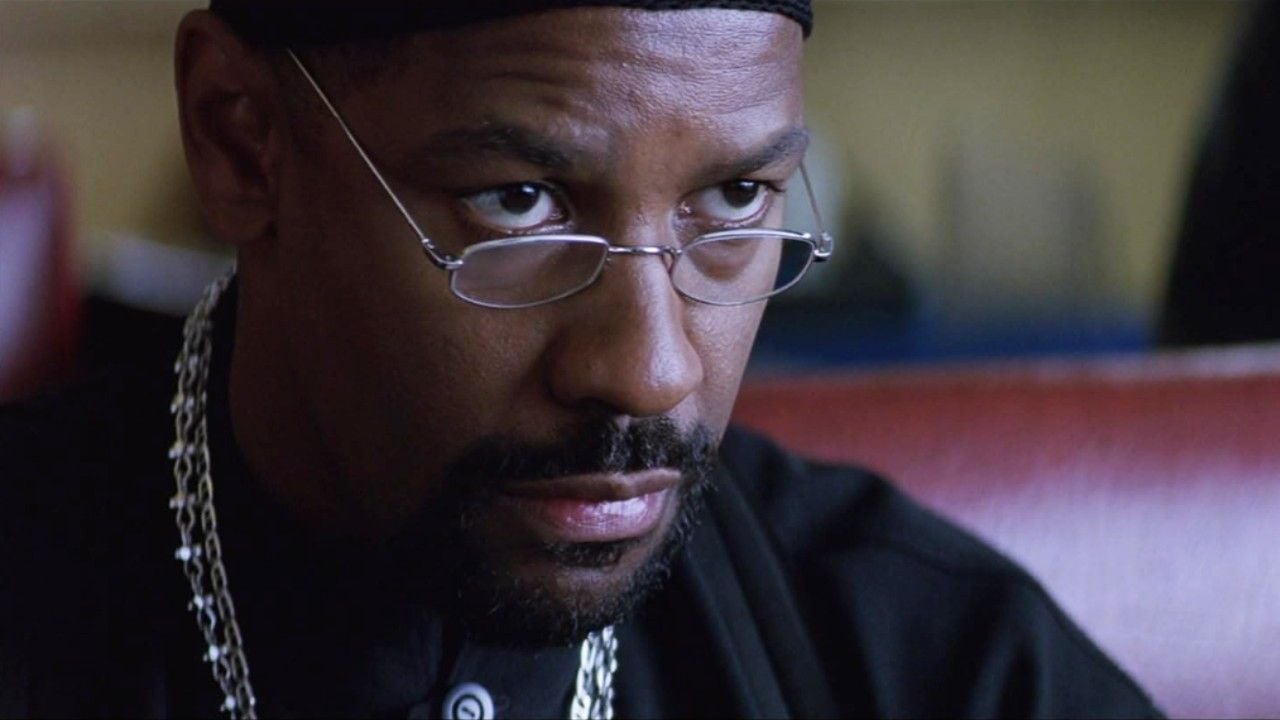
Released in 2001, Antoine Fuqua's gritty crime thriller Training Day delivered a career-defining moment for Denzel Washington. Stepping into the shoes of the charismatic yet utterly corrupt narcotics detective Sergeant Alonzo Harris, Washington captivated audiences and critics alike, ultimately securing the Oscar for Best Actor.
For an actor celebrated for portraying heroes, leaders, and real-life figures in films like Philadelphia, Hurricane Carter, and Remember the Titans, the role of Alonzo Harris was a stark departure. Harris is a veteran L.A. cop operating with impunity in the city's underbelly, taking rookie Jake Hoyt (Ethan Hawke) on a harrowing 24-hour evaluation that blurs the lines between justice and corruption.
Washington himself acknowledged the novelty of the role. "I've made thirty films, and this is the first time I've played a truly evil character," the actor reportedly told Female. He further elaborated on the challenge and his past experiences: "It's not for lack of trying. No one had ever offered me villain roles before, as that's not how Hollywood perceives me."
Embracing the opportunity, Washington found a distinct satisfaction in portraying Harris. He described his character with chilling precision: "A thief, a liar, a killer, and an arrogant megalomaniac. He's a deeply disturbed man, heartless." This portrayal, stripped of the usual heroic tropes, allowed Washington to explore a darker facet of human nature, a departure he openly admitted to enjoying.
Training Day wasn't just a critical success; it resonated strongly with audiences, earning a high average rating from AlloCiné users. The film's raw energy, coupled with Washington's powerhouse performance, cemented its status as a cult thriller. This collaboration also marked the beginning of a fruitful partnership between Washington and director Antoine Fuqua, who would later reunite for The Equalizer film series. Washington's unforgettable turn as Alonzo Harris remains a testament to his incredible versatility and willingness to push boundaries, forever altering the landscape of his cinematic legacy.