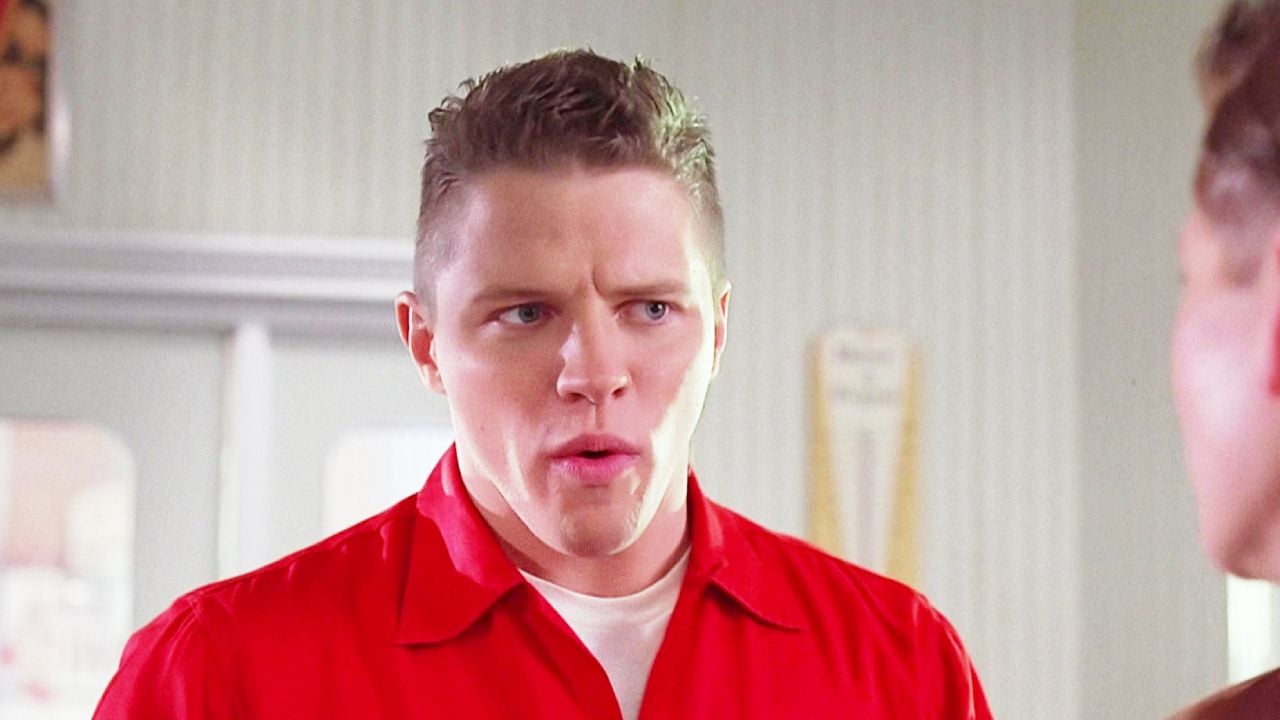
Wilson posits that the heart of Back to the Future isn't simply about sending Marty back to 1985; it's about the profound moment George McFly finally stands up to his lifelong tormentor. For Wilson, the film's enduring appeal stems from this fundamental act of defiance. "The true meaning of the film is George standing up to defend Lorraine and his dignity," Wilson explained, emphasizing the scene where George delivers a powerful punch to Biff. This pivotal confrontation, he argues, is what truly changes everything in the narrative.
Throughout his life, George McFly had been defined by timidity and submission, constantly cowering under Biff's intimidation. The film vividly portrays George as a man unable to assert himself, a secondary character in his own life. But when faced with Biff's aggression towards Lorraine, George utters the fateful words, "No, Biff! Leave her alone!" and follows through with an act of physical courage. This isn't merely about protecting Lorraine; it's George breaking free from years of psychological paralysis, refusing to let fear dictate his actions any longer.
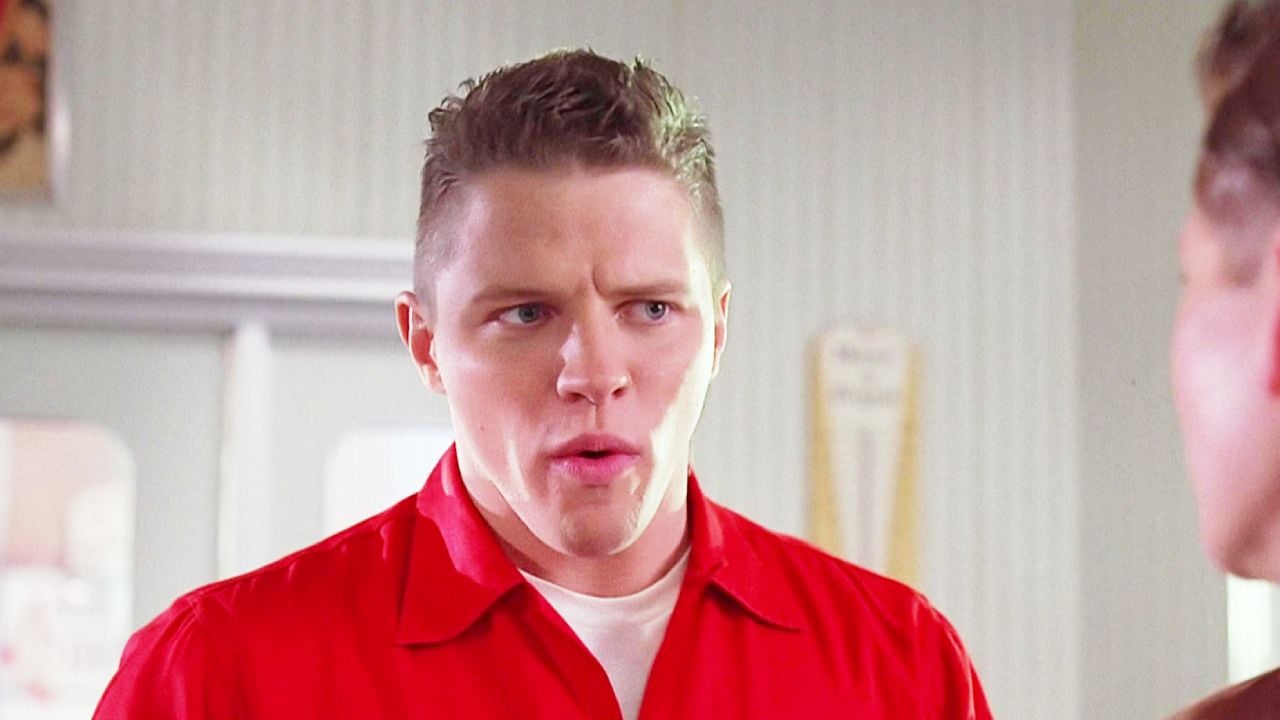
Wilson's analysis highlights that this moment transcends a typical Hollywood action sequence. It's a powerful narrative about personal emancipation. George isn't just defending the woman he loves; he's reclaiming his own agency and revealing an inner strength he never dared to express. This single, brave act doesn't just alter the course of a fight; it reshapes George's entire destiny. The timid, unfulfilled man from the original timeline transforms into a confident, successful writer, a loving husband, and a more accomplished father in the revised future.
The actor, who brilliantly portrayed Biff across three films, acknowledges that this is his personal take, not necessarily a universally shared view among the cast or crew. However, he believes it's a key reason for the saga's lasting impact. While audiences undoubtedly love the fun, action, and sci-fi elements of time travel and the novelty of meeting young parents, Wilson contends there's a deeper emotional connection. "It's also this character of George McFly finally standing up to adversity," he stated, pointing to the universal resonance of overcoming one's fears.
This interpretation reframes Marty McFly's journey. While Marty is the catalyst, his adventures ultimately serve to create the conditions for his parents to become their best selves. The DeLorean and its temporal paradoxes might be the spectacular engine of the story, but its emotional core lies in George's ability to break free from his mental prison. Back to the Future, in this light, becomes a powerful parable about changing one's destiny by first changing oneself, proving that a single act of courage can indeed alter the course of an entire life.