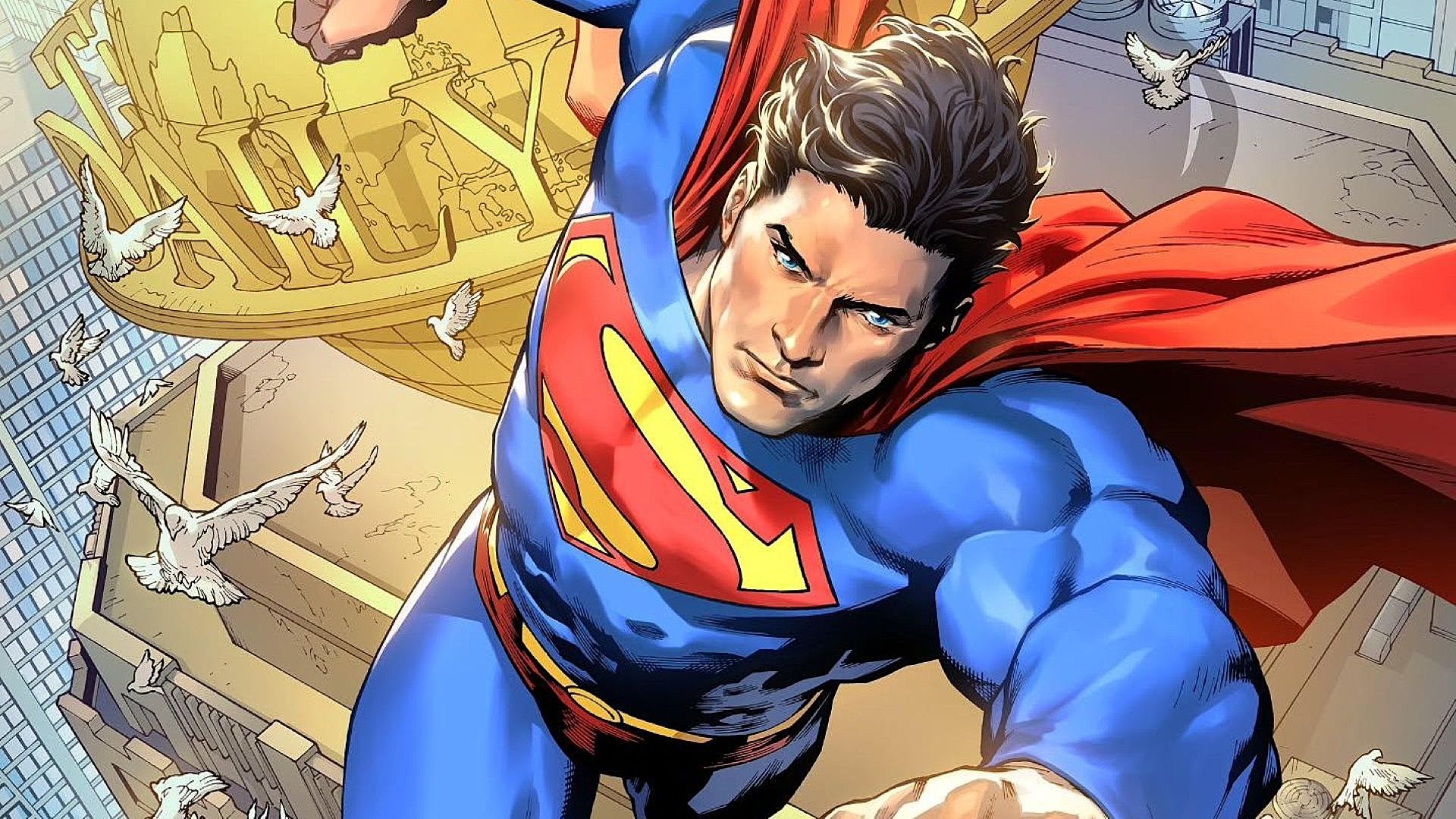
For generations of fans, the image of a baby Kal-El, later known as Clark Kent, effortlessly lifting a chair or cabinet has been a foundational piece of Superman's mythology, a clear sign of his extraordinary nature from birth. This classic feat, first depicted in Action Comics #1, established the hero's immense power even in infancy.
However, as reported by ScreenRant, Action Comics #1103 presents a new take on this pivotal moment. Instead of a piece of furniture, the young Clark Kent is now shown lifting the entire Kent family home. This dramatic escalation not only highlights the god-like capabilities that have become synonymous with Superman but also introduces a fresh dynamic to his early life lessons. Martha Kent's reaction to this incomprehensible display of power is one of fear, prompting a nuanced conversation about the responsibility and humility that must accompany such gifts.
This updated origin story emphasizes Clark's early realization of his unique differences and the importance of not flaunting his abilities over others. It subtly draws a contrast with Lex Luthor's parallel origin, where his prodigious intelligence is met with awe, then envy, leading him down a path of isolation and resentment. By focusing on Clark's journey to understand and manage his strength, the narrative delves deeper into the 'nature versus nurture' aspect of his character, particularly how his upbringing shapes him into the hero we know.
Despite this modern reinterpretation, the original image of baby Clark lifting furniture retains its iconic status, largely due to its simplicity and the heartwarming notion that a character, even without a conventional support system in early stories, would still use his gifts for good. Other recent comic series, like Wes Craig and Jason Wordie's Superman: The Stranger, also explore a more grounded, less overtly godly version of Superman, reminiscent of his 1938 debut, focusing on his efforts to help the downtrodden without over-the-top displays of power. Similarly, Absolute Superman offers another unique lens into Kal-El's early days, emphasizing his inherent kindness.
These ongoing tweaks and explorations underscore DC Comics' continuous effort to evolve the Man of Steel's narrative, ensuring his core values and origin remain relevant and resonant for contemporary audiences, whether on the page or eventually on screen.