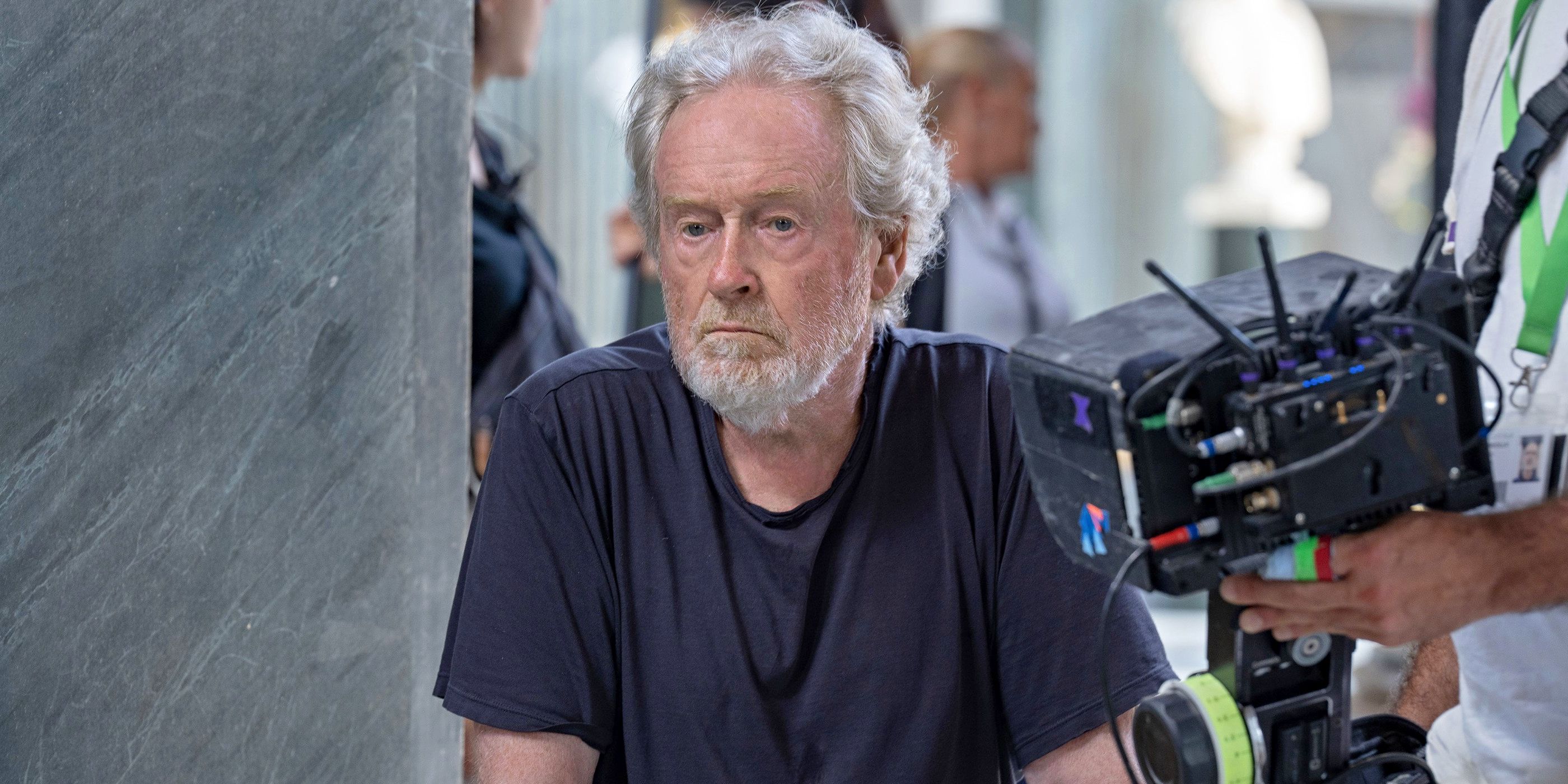
The much-anticipated sequel to the Oscar-winning Gladiator made its way to Netflix this month, following a theatrical release in November 2024 that generated considerable debate among critics and fans alike. Despite a global box office haul exceeding $460 million, Gladiator II's reported production cost of around $300 million left many questioning its true financial success and profitability. According to a report by Collider.com, this hefty budget cast a shadow over its commercial performance, leading to its perception as an underperformer.
The film, starring Paul Mescal and Denzel Washington in leading roles, continued the saga of the Roman Empire, but without its original star, Russell Crowe. Crowe, who famously portrayed Maximus Decimus Meridius in the first film, was notably outspoken about the sequel. He had reportedly lobbied to be part of the project for years, but ultimately dismissed Gladiator II as a box-office disappointment, stating that "it lacked the heart of the original." Director Ridley Scott, however, maintained that Crowe's character, having died at the end of Gladiator, could not realistically return for the follow-up.
The Netflix debut comes at an interesting time for both Scott and Crowe, who, as Collider notes, have experienced recent box office setbacks in their individual careers. Scott's recent sci-fi feature, The Dog Stars, reportedly grossed less than $15 million domestically against a budget of approximately $100 million, making it one of his biggest commercial disappointments. Meanwhile, Crowe's film The Weight, despite being his highest-rated movie on Rotten Tomatoes in decades, struggled to surpass the $5 million mark at the box office. The arrival of Gladiator II on streaming platforms thus provides a fresh opportunity for the film to find a new audience and potentially redefine its legacy beyond its initial theatrical reception.