For years, Netflix set the gold standard for streaming, churning out critically acclaimed and popular series like House of Cards, The Crown, and The Queen's Gambit. These early successes not only captivated viewers but also solidified Netflix's position at the forefront of the entertainment industry. However, the landscape has dramatically shifted, with a surge of formidable rivals now vying for subscriber attention.
Competitors such as Disney+ and Hulu, now merged into a single offering, are reportedly on the verge of surpassing Netflix in total usage. Prime Video is steadily closing the gap in overall subscriber numbers, and even the relatively newer Apple TV+ has made a significant impact, recently setting an Emmy Awards record for most wins by a network in a single night, thanks to prestige hits like Severance and Slow Horses. Other streamers are also boasting their own must-watch content, from HBO Max's The Pitt to Hulu's Only Murders in the Building and Prime Video's The Boys.
Despite still boasting over 325 million paid memberships across 190 countries, Netflix is experiencing a concerning trend: an 8% drop in viewership during the first half of 2026, as noted by Collider. While rising subscription costs and the availability of ad-supported tiers have been cited as potential factors, the core issue appears to be something more fundamental to the streaming experience: the increasingly long gaps between seasons of popular shows.
Extended hiatuses are proving to be a major deterrent for audience retention. Viewers struggle to recall plotlines after multi-year breaks, and the initial hype for a series often dissipates. Wednesday, Netflix's most successful show to date, saw a staggering 59% drop in viewership for its second season after a nearly three-year gap. Even the powerhouse phenomenon Stranger Things wasn't immune, experiencing a 25% decline in viewers after fans endured a three-year wait for its latest installment. Other hits like The Night Agent, Ginny & Georgia, and Bridgerton have similarly seen viewership dips as seasons progress, with The Gentlemen also reportedly suffering from a two-year pause before its second season.
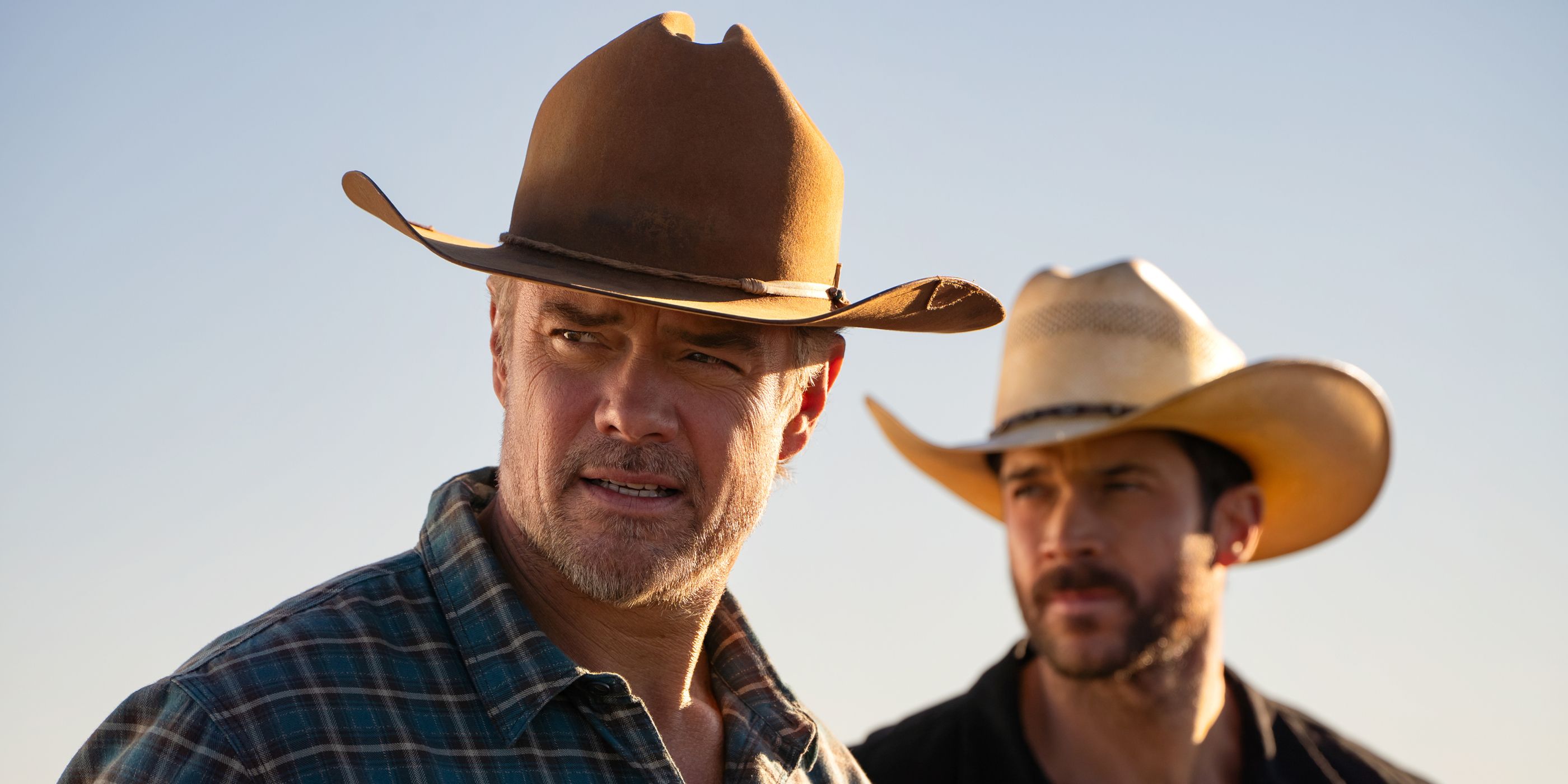
Adding to the problem is Netflix's reputation for swiftly canceling shows, often after just one or two seasons. This practice discourages viewers from investing their time in new series, fearing their favorite stories will be abruptly cut short. The cancellation of Ransom Canyon after its first season serves as a cautionary tale of a series unable to maintain an audience.
To reverse this trend, Netflix needs to rethink its strategy. Prioritizing shows with faster production turnarounds, aiming for annual season releases — a model successfully adopted by HBO Max's The Pitt and Apple TV+'s Slow Horses — could significantly boost fan loyalty. Additionally, showing greater commitment to its original series by refraining from premature cancellations would rebuild audience trust. If Netflix fails to address these critical issues, its reign as the streaming champion could very well come to an end.