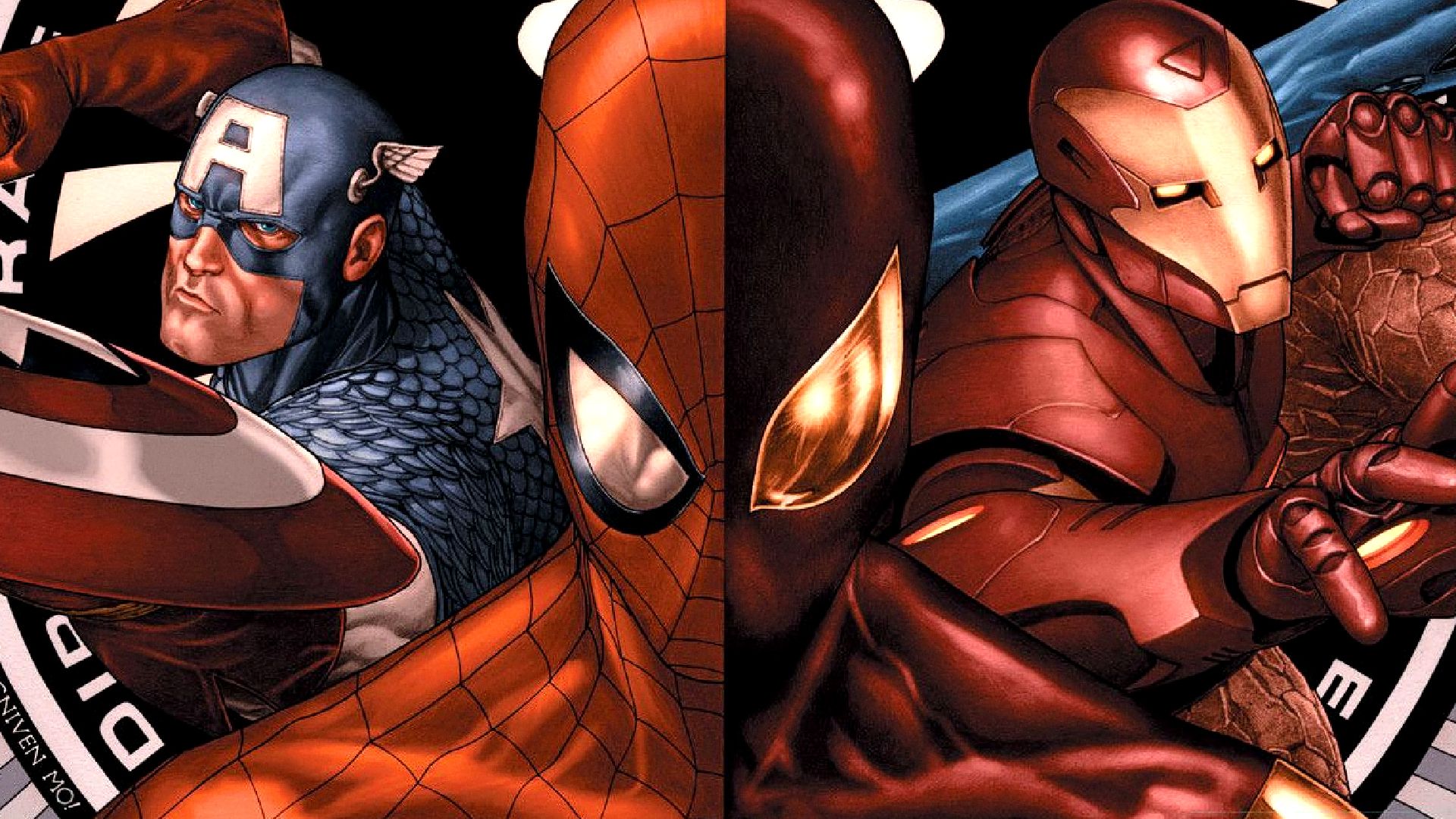
The Marvel Universe is no stranger to internal conflict, and few storylines have left as lasting an impact as 2006's 'Civil War.' That seminal event saw Captain America and Iron Man lead opposing factions in a bitter struggle over the Superhero Registration Act, a law demanding all superpowered individuals register their identities and abilities with the U.S. government. While that particular act was eventually abolished, the core tension it represented — the balance between hero autonomy and public safety — is now resurfacing with dramatic force.
According to a report from ScreenRant, the catalyst for this new schism stems directly from the events of Avengers: Armageddon. In its third issue, a desperate attempt by former Captain America David Colton and Bucky Barnes to dispose of the world's nuclear arsenal went awry. Though many missiles were intercepted, one detonated within the Red Hulk, resulting in tragic civilian casualties in Russia and the death of Bucky Barnes. This devastating incident has ignited global outrage, with world leaders quick to lay blame at the feet of the superhero community, despite the complex circumstances.
Seizing on this crisis is Nick Fury Jr., who believes humanity must protect itself from unchecked superhuman power. With a newly rebranded S.H.I.E.L.D. (now the Strategic Human Intelligence, Enforcement and Logistic Defense) and the means to negate superhuman abilities, Fury is positioned to gain significant influence in the upcoming United Nations discussions. These talks, set to unfold in the final issue of Avengers: Armageddon, will determine the future of superpowered individuals, making a new, stringent registration act a very real possibility.
In response to this looming threat and the fractured public trust, a new iteration of the Avengers is forming. This roster is strategically designed to reconnect with everyday citizens, featuring street-level heroes like Logan (Wolverine), Daredevil, and Luke Cage, who currently serves as the Mayor of New York. Carol Danvers (Captain Marvel), burdened by guilt over her inability to prevent the Red Hulk disaster, will also join, alongside David Colton, now known as Miracle Man, who played a role in the initial catastrophe.
Crucially, Spider-Man is rumored to be a potential leader for this new team. His unique position as a hero who works closely with ordinary people as Peter Parker, while maintaining a secret identity as Spider-Man, could prove invaluable. This dual perspective would allow him to understand the concerns of both the public and the heroes, potentially bridging the divide and rebuilding trust. Unlike many prominent heroes whose identities are public, Spider-Man's anonymity could finally become his greatest strategic advantage in navigating this impending ideological battle.