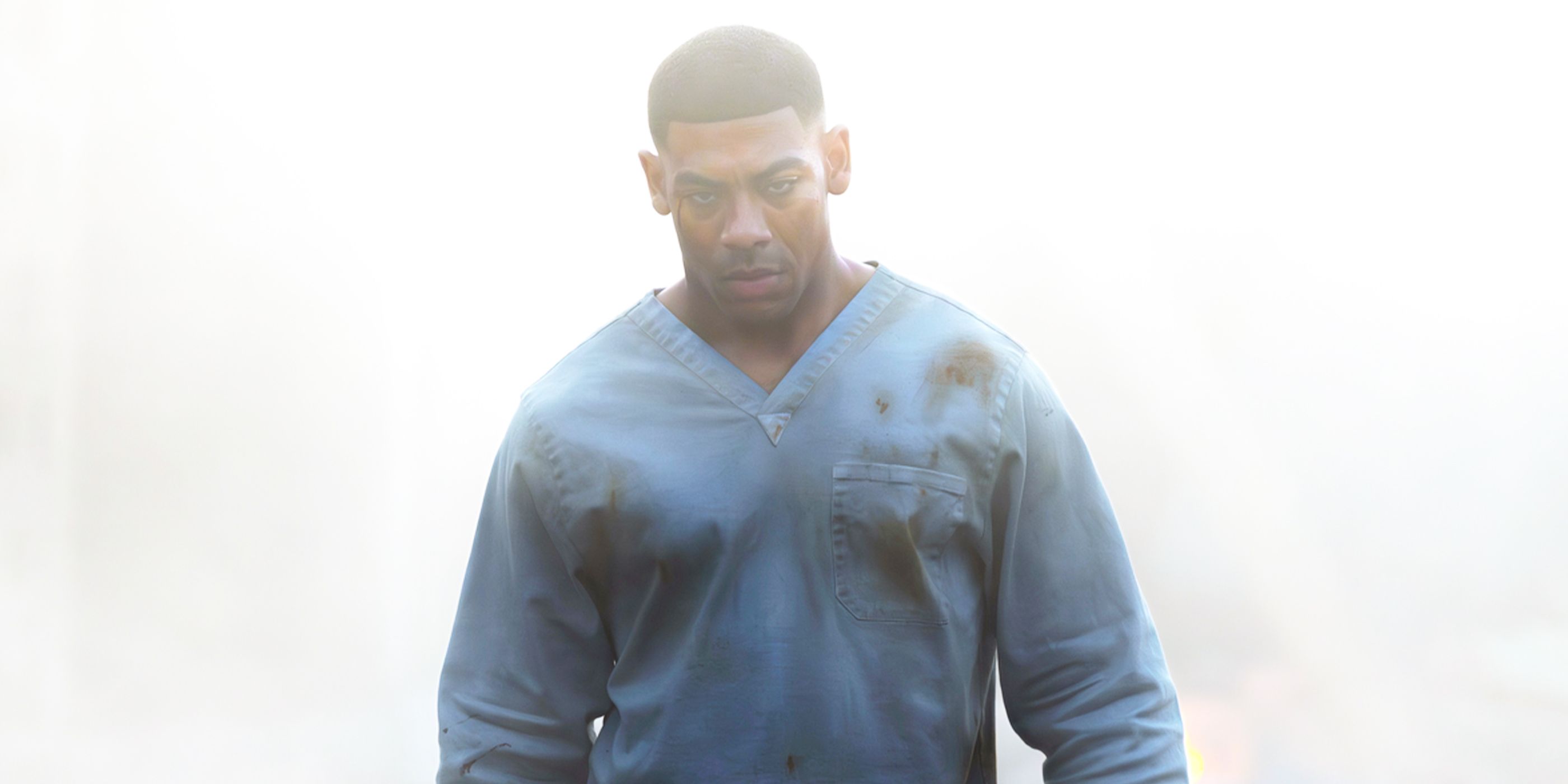
Mundy revealed that the creative team deliberately aimed to blend the grounded, intense atmosphere reminiscent of "True Detective" with the fantastical elements inherent to the Green Lantern mythology. The strategy, he explained, was to initially root the narrative in the grittiness of Western Nebraska, focusing on the complex relationship between Hal Jordan (Kyle Chandler) and John Stewart (Aaron Pierre), before gradually introducing the more cosmic aspects of the DCU.
"We're trying to hopefully do a good enough job that people accept the mash-up of them," Mundy told Collider, detailing how the show starts with a bang but then slows down to establish its grounded mystery and character dynamics. This approach allowed them to slowly integrate constructs and other comic book elements, building confidence in the world they were creating.
One of the series' most talked-about introductions is Nathan Fillion's take on Guy Gardner, who assumes the Green Lantern mantle after John Stewart declines. Mundy confirmed that bringing Gardner into the narrative was an early decision, primarily to establish the show's timeline and the changing of the guard. He also noted that "Lanterns" was given creative freedom to push Gardner's character further than his appearance in James Gunn's Superman film, particularly in his adversarial interactions with John Stewart. "We just felt like it was license to take it one step further," Mundy stated, praising Fillion's performance for making the character resonate.
Delving into the show's narrative structure, Mundy addressed the decision to place John Stewart's character-focused backstory episode (Episode 3) earlier in the season than initially planned. While it momentarily diverged from the central murder mystery, the team prioritized deepening the audience's understanding of both John and Hal. "We felt like the depth of understanding the characters was more important in the [Episode] 3 spot than making sure the story had momentum," he explained, acknowledging it was a significant discussion.
Regarding the broader DCU connections and potential cameos, Mundy revealed that while they considered including more explicit nods to other Lanterns, they ultimately chose to keep the focus tight on Hal and John's emotional journey. However, he confirmed that Sinestro makes a more substantial appearance later in the season, satisfying fans eager for those familiar presences.
Looking ahead, Mundy expressed a strong desire to continue the "Lanterns" story beyond its current season, contingent on audience interest. He views the first season as a foundational "fall season," leaving ample room for future narratives. "Emotionally, there's so much more to keep going with," Mundy remarked, signaling a clear vision for the show's potential long-term future within the DC Universe.