The cancellation, first reported by SlashFilm, marks an untimely end for a series that delved deep into psychological horror and parallel realities. "Constellation" followed Swedish astronaut Jo Ericsson (Noomi Rapace) after a catastrophic incident aboard the International Space Station. Upon her return to Earth, Jo finds her life subtly, yet profoundly, altered, grappling with disorienting memories and a reality that doesn't quite align with what she remembers. The series masterfully used this premise to explore themes of identity, grief, and the fragile nature of perception, often blurring the lines between what is real and what is a delusion.
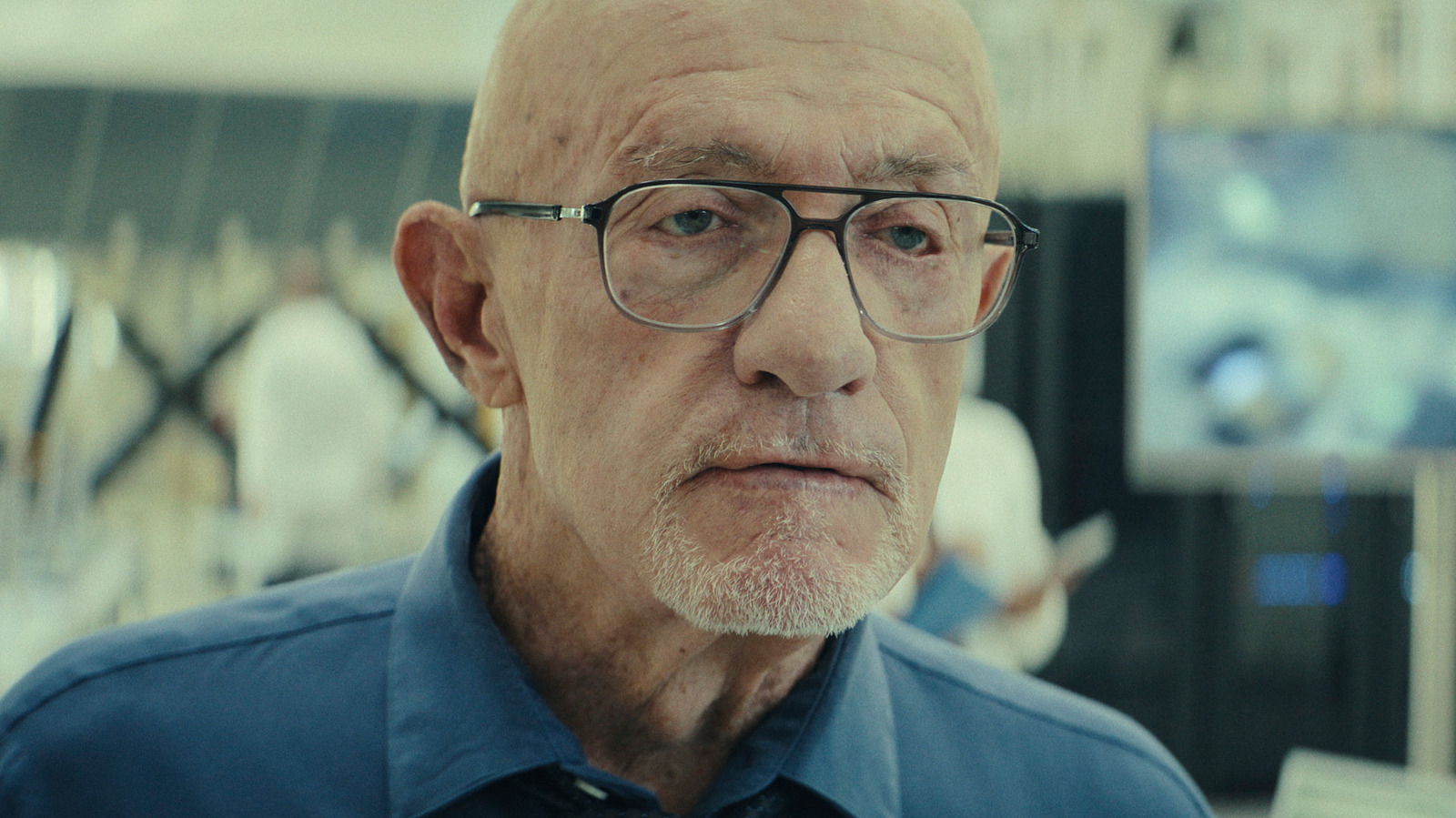
Adding another layer of complexity was Jonathan Banks, known for his iconic role as Mike Ehrmantraut in "Breaking Bad" and "Better Call Saul." Banks delivered a compelling dual performance as both Henry Caldera, a Nobel Prize-winning physicist, and his mysterious parallel-universe counterpart, Bud Caldera. Their intertwined narratives provided a crucial, albeit often cryptic, anchor to the show's sprawling multiversal plot.
"Constellation" was designed as an intricate mystery box, with showrunner Peter Harness deliberately withholding answers to encourage viewer engagement and speculation. From bizarre appearances of an old Soviet cosmonaut to Jo's inexplicable ability to speak Swedish and her daughter's seemingly duplicated existence, the show consistently introduced perplexing elements. Critics acknowledged its intellectual ambition, with some, like A.A. Dowd writing for Primetimer, favorably comparing it to the works of Philip K. Dick. However, its dense narrative and slow-burn approach also led others, such as Nick Schager for The Daily Beast, to predict its swift demise.
Apple TV+ has garnered a reputation for supporting complex and thought-provoking science fiction, with hits like "Severance," "Foundation," and the acclaimed "Pluribus" enjoying critical and popular success. These shows, while also intricate, often presented a more immediately digestible core concept. "Constellation," with its deeply oblique premise of an astronaut unknowingly slipping between parallel timelines, might have been a harder sell for audiences seeking a clearer narrative hook. Its high production values likely contributed to its expense, making a renewal difficult without a substantial, dedicated viewership.
The abrupt cancellation means that the many profound questions posed by "Constellation" – from the mechanics of its parallel universes to the true nature of Jo's predicament and the fate of its characters – will remain unanswered. This leaves viewers who invested in its eight-episode journey with an unsatisfying conclusion, a common lament for ambitious shows cut short before their time.